
Sizing & Quantity Guides
How Many Dispensers Does Your Washroom Actually Need?
A fixture ratio guide, with a worked example, for pricing and specifying commercial washroom accessories.
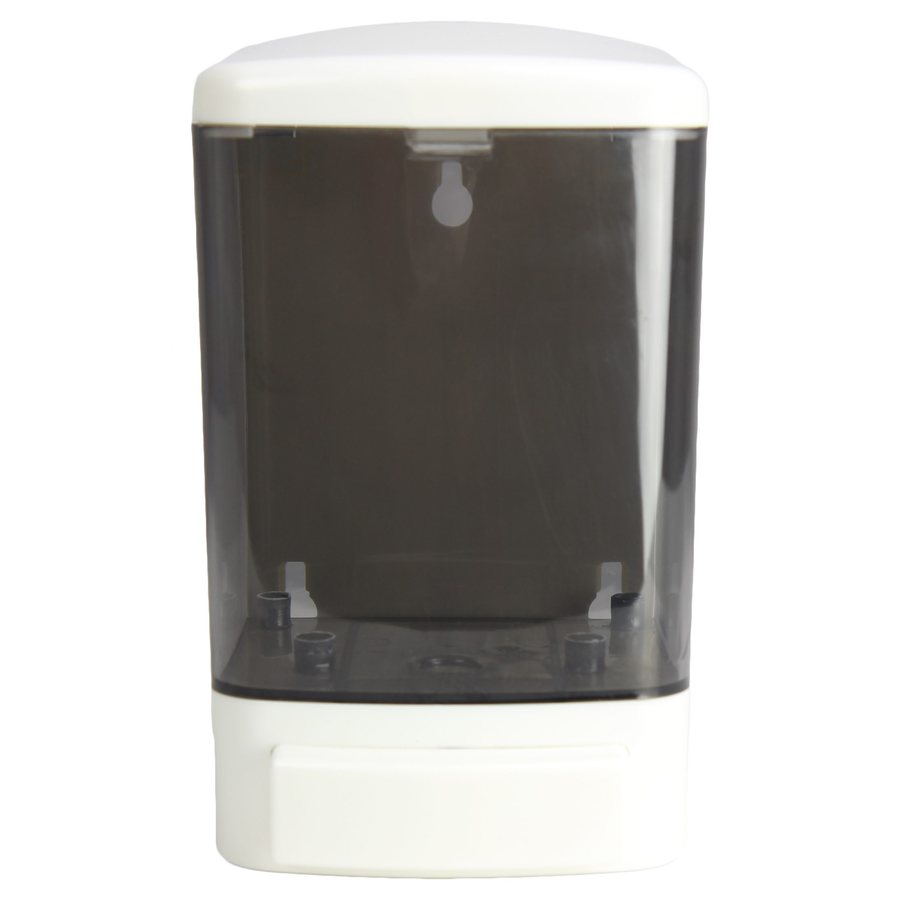
Estimating washroom accessories for a commercial project shouldn’t mean counting every item manually and hoping nothing gets missed.
Whether you’re preparing a tender, pricing a renovation or specifying accessories for a new commercial building, a consistent quantity method gives you a clear starting point — and makes it easier to check the bill of quantities before ordering.
Mira’s own Build a Quote tool uses the fixture-count ratios below to seed accessory quantities automatically. Here’s how they work, with a worked example you can follow for your next project.
1. Start with the fixture count
Before calculating accessories, establish how many lavatories, water closets and individual stalls the washroom contains.
These are Mira’s own estimating ratios — a procurement starting point, not a Building Code requirement. Project specifications, expected traffic and applicable regulations may call for different quantities.
| Washroom accessory | Mira’s quantity rule |
|---|---|
| Soap dispenser | 1 per lavatory |
| Mirror | 1 per lavatory |
| Paper towel dispenser or hand dryer | 1 per 2 lavatories |
| Toilet tissue dispenser | 1 per water closet |
| Waste receptacle | 1 per washroom; 2 once lavatories reach 4+ |
| Coat hook | 1 per stall |
| Feminine hygiene disposal unit | 1 per stall |
2. Worked example: a six-lavatory, four-WC office washroom
Say you’re pricing an office washroom with six lavatories and four water closets, each in its own stall. Apply the ratios one by one:
- Soap dispensers: 6 lavatories × 1 = 6
- Mirrors: 6 lavatories × 1 = 6
- Paper towel dispensers or hand dryers: 6 ÷ 2 = 3
- Toilet tissue dispensers: 4 water closets × 1 = 4
- Waste receptacles: 6 lavatories ≥ 4, so 2
- Coat hooks: 4 stalls × 1 = 4
- Feminine hygiene disposal units: 4 stalls × 1 = 4
That gives a preliminary schedule of 6 soap dispensers, 6 mirrors, 3 towel dispensers or dryers, 4 tissue dispensers, 2 waste receptacles, 4 hooks and 4 disposal units — a defensible starting point to check against the actual layout and any accessibility requirements.
3. What about accessible stalls?
Accessible stalls need a separate check. Mira’s quote-builder applies this configuration per accessible stall: 2 straight grab bars, 1 swing-up grab bar, 1 backrest, and accessible signage. Confirm this against the approved design and the applicable code — see our barrier-free grab bar checklist for the full breakdown.
4. Skip the manual calculations
A fixture-based estimate is useful, but assembling a full schedule by hand takes time — especially across multiple washrooms with different stall configurations and finishes.